Evidence-based review
MU: Dark Epoch review — rapid progression for players who enjoy automation
A clear look at Dark Epoch's accelerated leveling, class growth, loot economy, group activities, and automation-first daily rhythm.

Worth it
Worth it for players who want a fast-moving MU power climb with strong automation, frequent loot, guild goals, and competitive server play.
Avantaje
- Four distinct base classes and repeated class-change progression
- AFK and auto-combat systems keep routine growth moving
- Bosses, dungeons, auctions, guilds, and PvP give equipment a purpose
Dezavantaje
- Automation is central rather than an optional convenience
- Randomized purchases and server competition can widen account-power gaps
- Steam's published minimum OS conflicts with the current Steam client requirement
MU: Dark Epoch compresses the familiar MU loop into short, frequent progression beats. Quests, auto-combat, AFK experience, equipment drops, enhancement, class changes, and combat-power milestones feed one another quickly. That pace is the attraction, but it also defines who will enjoy the game: this is an automation-heavy MMORPG, not a manual action RPG disguised by an auto button.
The power climb is immediate and legible
The interface constantly points toward the next source of power. A newly acquired item, enhancement opportunity, class-change objective, boss attempt, or timed activity usually gives the session a clear next step. Ordinary monsters can drop useful equipment, while bosses and dungeons concentrate the chase for stronger rewards.
That structure makes the early game easy to follow. The tradeoff is that combat power becomes the dominant language of progress. A higher number does not explain whether a build has the right survivability, skill mix, or role for the next activity, so players still need to inspect what an upgrade actually changes.
Four classes cover different combat preferences
Dark Knight is the durable melee choice, Dark Wizard emphasizes ranged magic and area damage, Elf attacks from range and can lean toward support, and Dark Lord adds a command-oriented hybrid identity. Later class changes extend each starting choice rather than replacing the account with a new genre of character.
Class choice matters most for the combat rhythm and equipment path you want to fund. A class-change branch or reset option should not be treated as free account-wide optimization: weapons, armor, skills, and other long-term systems still reward concentrating resources on a coherent setup.
Automation changes the meaning of efficiency
Auto-combat and AFK experience reduce the need to repeat every ordinary encounter by hand. The useful decision is therefore not whether to automate, but what goal the automated period serves. A productive session assigns farming to a specific shortage, then reserves active time for bosses, group content, market decisions, and PvP.
Players who enjoy watching a planned build compound over time may find this satisfying. Players seeking precise dodges, manual rotations, and exploration led by discovery will find the game less responsive to those priorities.
Guilds and the auction give loot a social context
The official feature set connects dungeons, guild competition, alliance auction profit, and Roland City PvP. That matters because an equipment treadmill is more convincing when upgrades help a group clear content, contest territory, or trade surplus items.
Market listings still need judgment. An asking price is not a completed sale, and a high combat-power label is not proof that an item fits the active build. Compare properties, recent demand, and replacement timing before committing a scarce currency.
Monetization deserves a deliberate boundary
The game is free to play and its storefronts disclose in-app purchases; Apple's listing also discloses loot boxes. That does not make every purchase necessary, but it does mean competitive power and randomized offers should be evaluated before spending.
A safe approach is to learn one class, one server economy, and the recurring event cadence first. Decide on a budget outside the shop, and do not let a temporary ranking or limited timer replace the question of whether an item advances the build you actually use.
PC support needs one compatibility explanation
The publisher-submitted Steam table lists Windows 7 32-bit, an Intel Core i3-4330, 1 GB RAM, Intel HD Graphics 4600, broadband, and 800 MB of available space. Steam's own client has required Windows 10 or later since 2024. The hardware table can be reproduced accurately only with that caveat; Windows 10 or later is the practical Steam baseline.
Who should play it
MU: Dark Epoch fits players who enjoy rapid account growth, frequent loot decisions, persistent server competition, and routine progress that continues through automation. It is less suitable for players who want manual combat to carry the whole experience or who dislike power-based live-service competition.
Approach the first week as a class-and-server evaluation. Fund one build, join an active guild, learn where the auction has real demand, and use automation for a named objective. The game becomes much clearer once every resource has a job.
Ghiduri pentru acest joc
Multiplayer guide
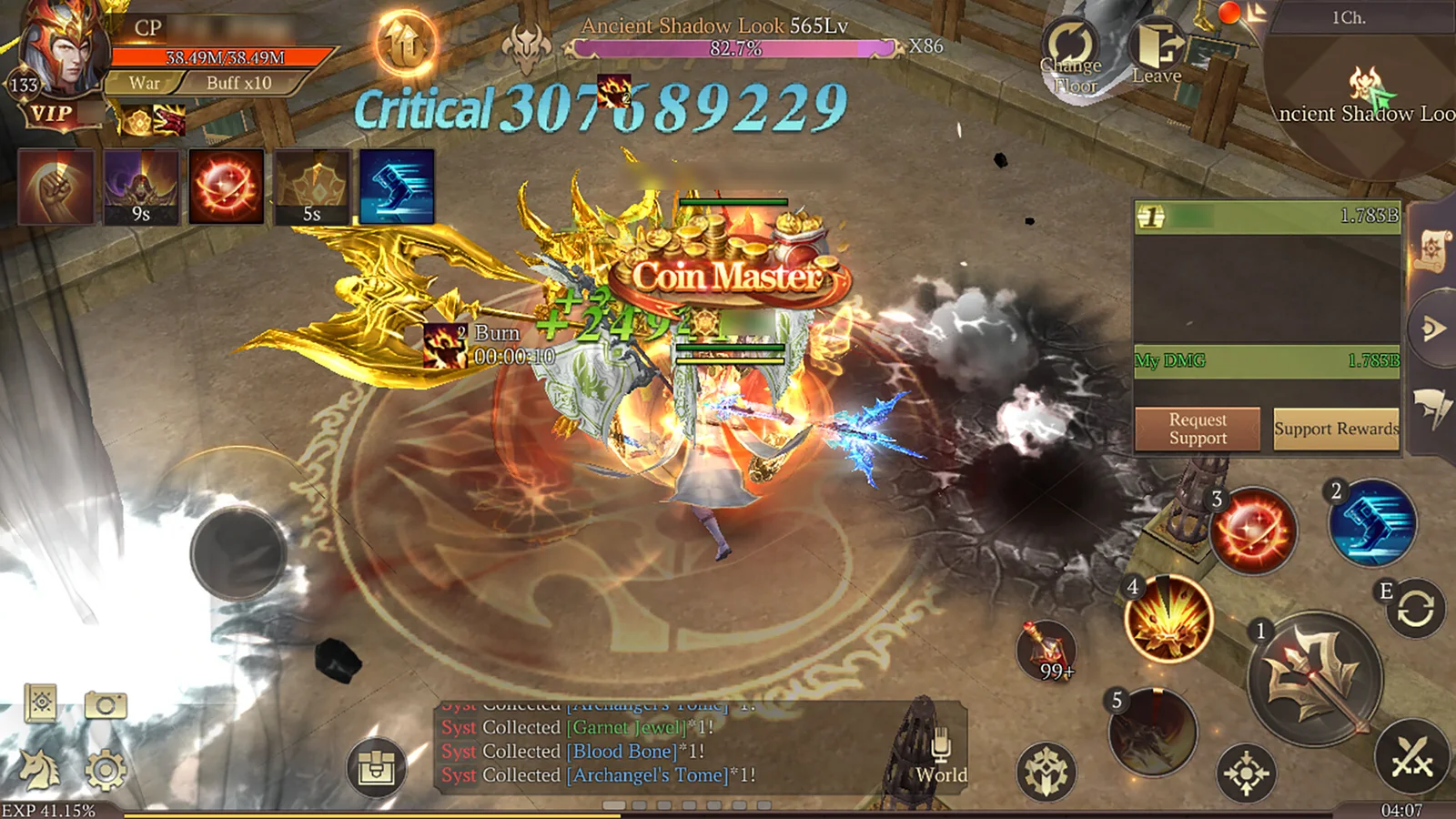
MU: Dark Epoch bosses, guilds, and PvP — preparing for group content
Turn solo power growth into useful group preparation for dungeons, bosses, guild activity, auctions, and Roland City PvP.
Class guide
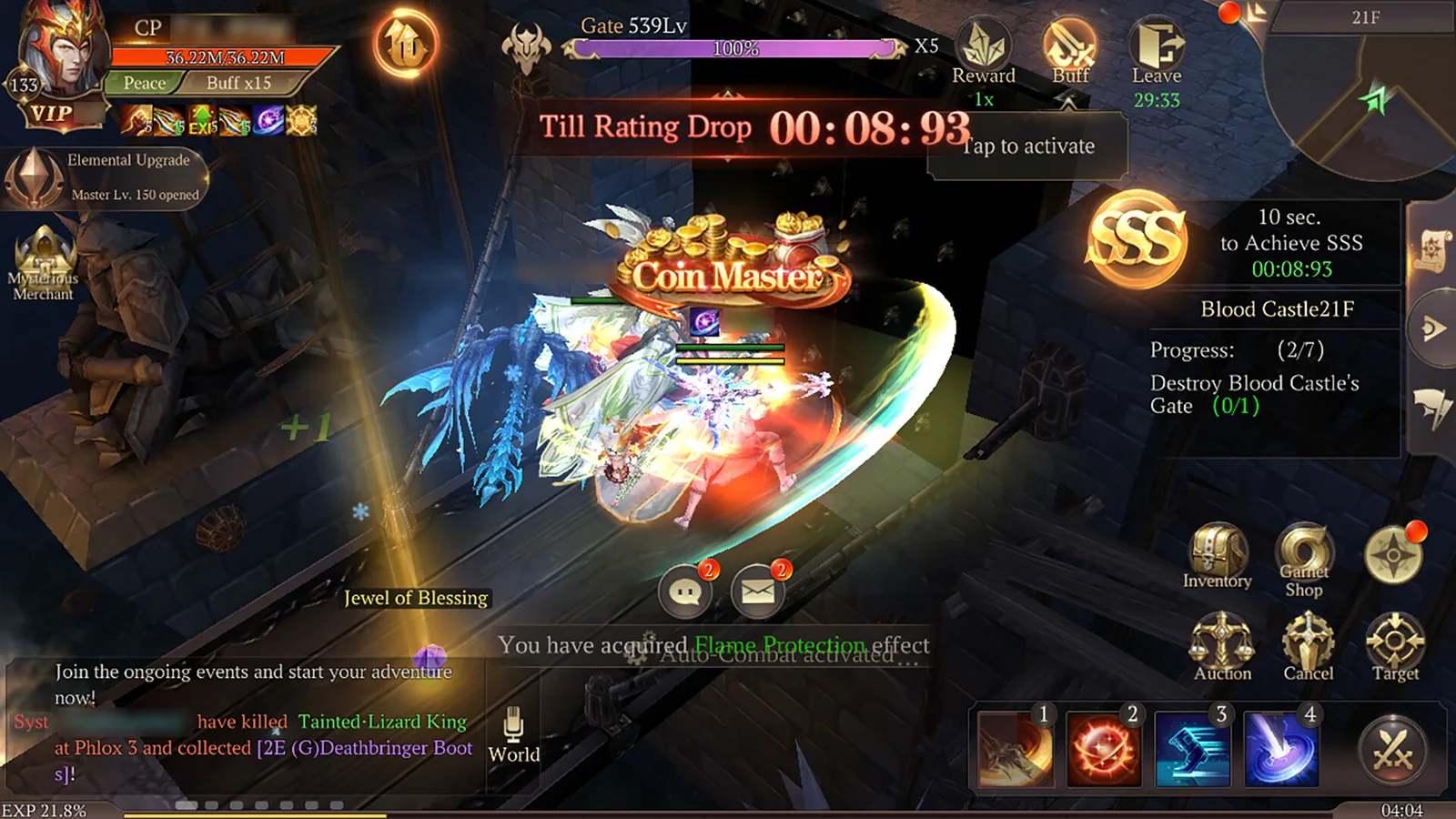
MU: Dark Epoch classes — choosing a role and planning class changes
Compare Dark Knight, Dark Wizard, Elf, and Dark Lord without pretending one class is universally best.
Progression guide
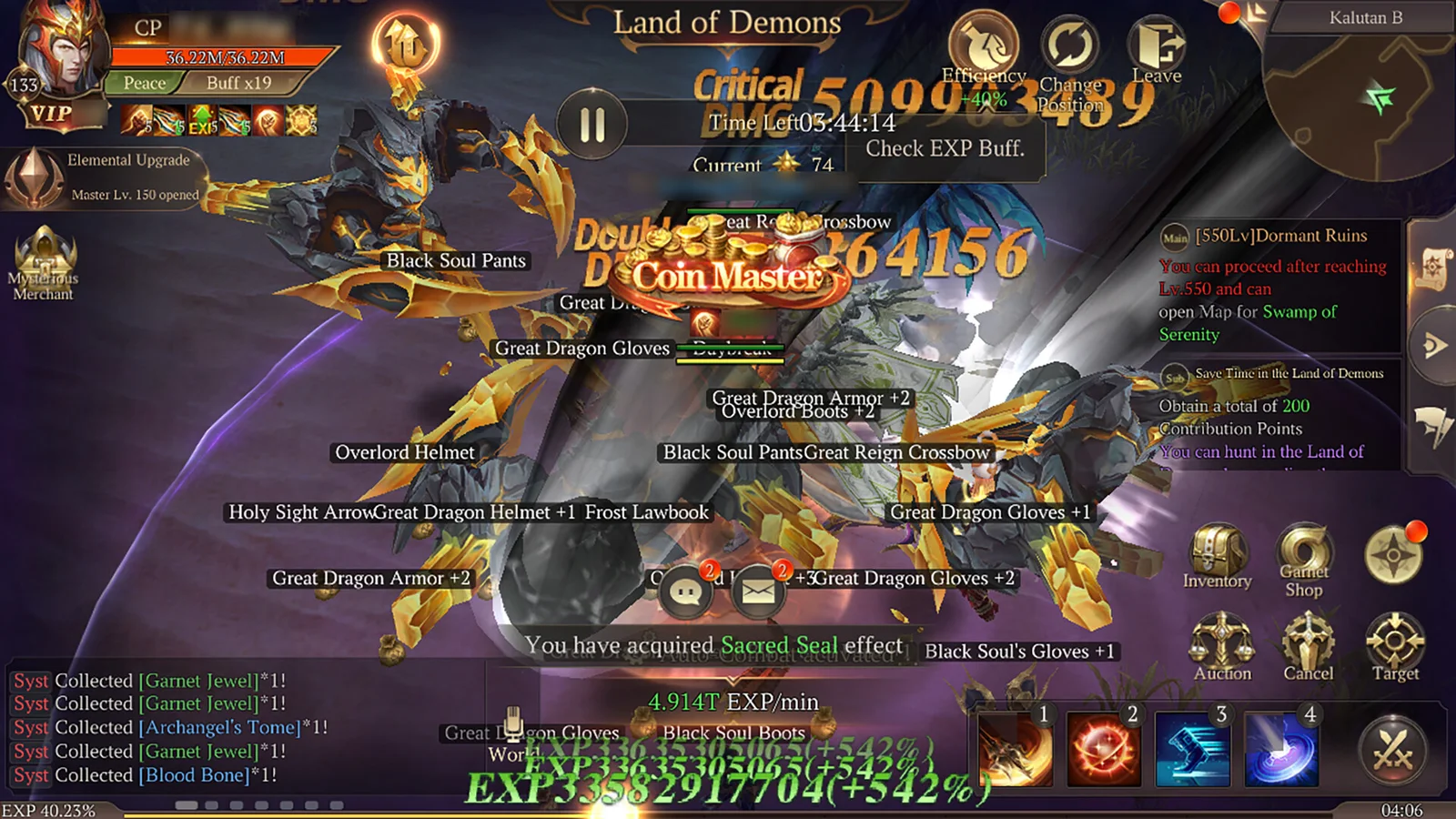
MU: Dark Epoch equipment guide — upgrades, drops, and auction decisions
Decide which gear deserves enhancement, judge combat-power prompts, and use the player auction without wasting scarce currency.