Where Winds Meet exploration guide — Qinghe, Kaifeng and Hidden Mountain routes
Open each region efficiently by linking Boundary Stones, local clues, Mystic Skills and the progression each landscape introduces.
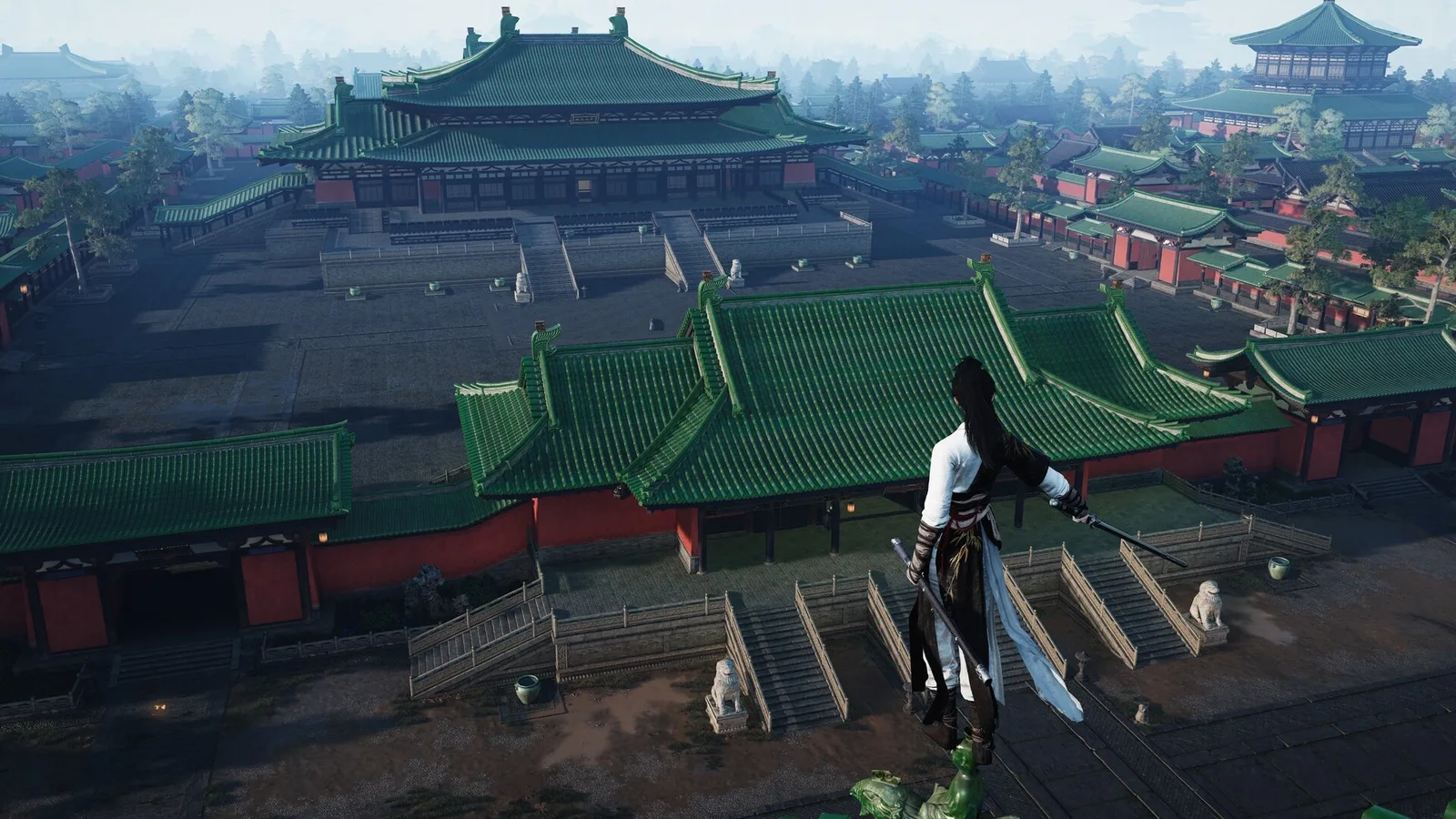
Qinghe teaches the exploration language
Use Qinghe to learn a repeatable route: follow the current story objective, activate every nearby Boundary Stone, then return along one unexplored edge. Residents, Oddities, environmental clues and early Mystic Skills teach what the world considers an interaction. A sealed object that has no readable verb usually belongs to a later return.
Do not confuse discovery with immediate completion. Mark a locked interaction, learn the relevant technique through the local story or encounter, and revisit it when the visual clue makes sense. This turns each new Mystic Skill into an exploration verb rather than another menu entry.
Kaifeng changes the route from landscape to city
Kaifeng rewards vertical reading and attention to residents. Rooftops, alleys and daily routines can matter as much as the main street. Activate travel access before chasing isolated markers, then group nearby objectives by elevation so the route does not repeatedly cross the same city block.
Listen for dialogue and inspect local context before searching for a solution. A resident's timing, an inscription or a change in lighting may define the puzzle. When a quest advances the city's systems, finish that thread before assuming an inaccessible interaction is broken.
Hidden Mountain is built around mechanisms and height
Hidden Mountain combines mountain paths, underground spaces and a suspended Mohist city. Its devices are part of navigation. Observe how a mechanism changes the route, then use Celestial Seize and building interactions to reach the next layer instead of treating every platform as a pure movement challenge.
Version 2.1 develops the region through water rails and the Cloudstair. Repairing rails reconnects machinery and irrigation, while the server-wide Cloudstair project gives exploration a shared objective. When a route appears incomplete, check whether local restoration or community progress is the missing step.
Keep the map useful
Use personal markers for unresolved technique gates, a scarce material route and a small number of return targets. Activate ordinary fast travel during quests and remove markers after resolving them. A map covered in reminders stops explaining what matters next.
Prepare one combat Path before entering a later region. Repair the build, carry recovery items and finish the current development threshold. A coherent setup makes new encounters readable; spreading resources in anticipation of every possible reward does the opposite.
Choose a reason for each trip
A productive route serves story, technique, material or discovery. Combine two of those goals when possible: advance a regional quest while linking Boundary Stones, or gather a needed material while revisiting a Mystic Skill gate. If the session becomes a line between icons with no remembered outcome, narrow the objective and leave the rest of the jianghu for another day.
Powiązane poradniki

Where Winds Meet beginner guide — the first ten hours made simple
Choose the right server, protect cross-progression, learn one Path and open Qinghe without wasting early resources.

Where Winds Meet bosses guide — read mechanics before chasing damage
Prepare a reliable Path, identify defensive answers and approach Hidden Mountain's mechanical bosses with a useful learning plan.

Where Winds Meet combat guide — build a Path, not a pile of weapons
Turn deflects, Martial Art swaps, Inner Ways and Path resources into a repeatable combat plan.