Where Winds Meet Paths guide — how two Martial Arts become one build
Understand Path resources, weapon swaps and the questions that reveal whether two Martial Arts really work together.
A Path is a combat loop
A weapon family describes the shape in your hands; a Martial Art supplies its actual skills; a Path connects two Martial Arts through a shared mechanic. This is why choosing two individually strong arts does not guarantee a coherent build. The pair needs a reason to swap.
Read a Path in this order: find the status or resource, identify which art creates it, identify which art extends or spends it, then locate the safe swap window. Only after that should you compare damage bonuses or rare Inner Ways.
Bamboocut–Draught: build and release Drunkenness
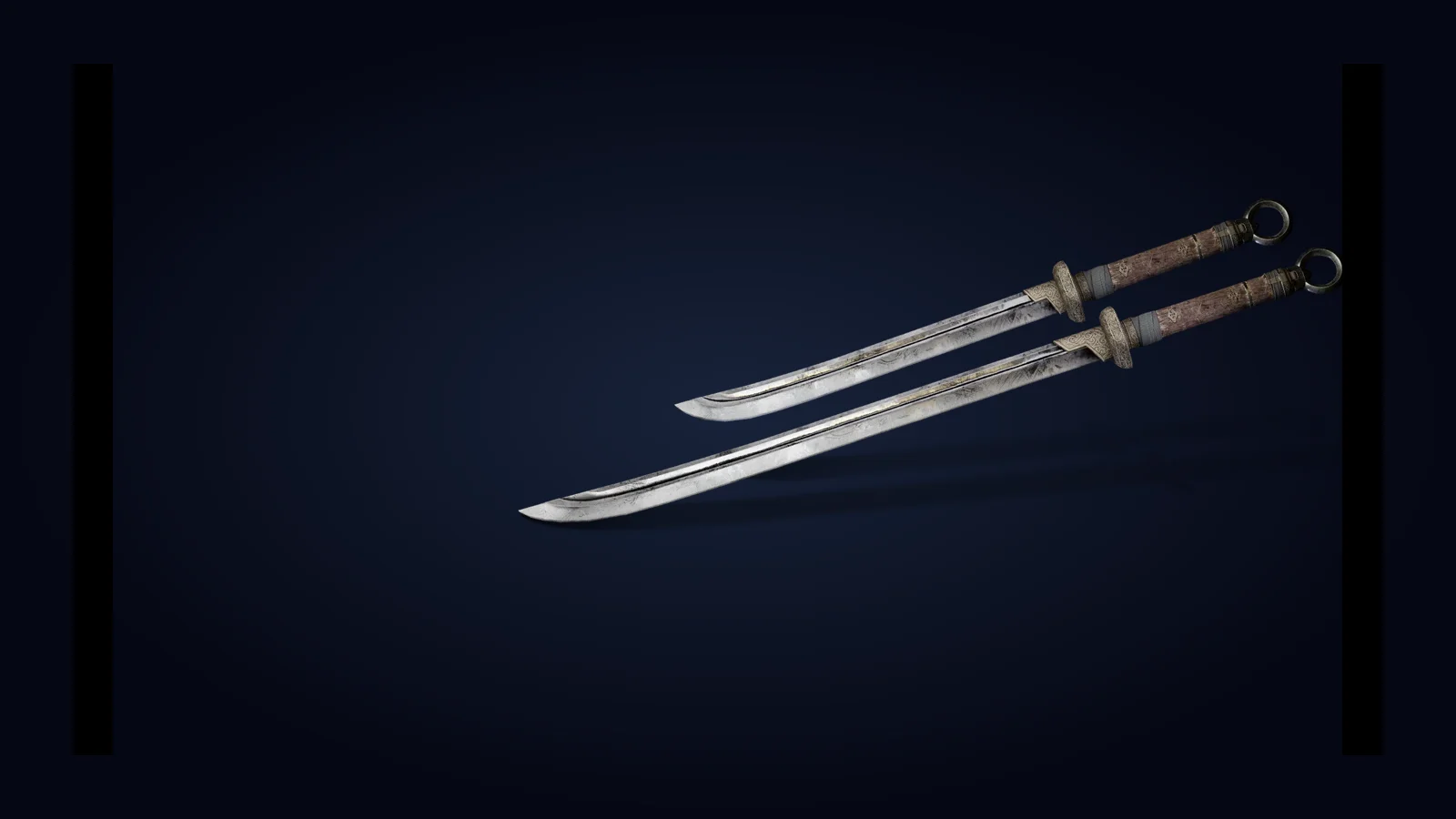
This Version 2.1 Path joins Skystrike Gauntlets and Riven Twinblades. Both interact with Drunkenness, measured through Binge and deeper Inebriate states. The Dual Blades provide a rapid entry and build momentum. The Gauntlets continue the close exchange, use deceptive movement such as Tipsylay and turn the prepared state into burst. A return to the blades extends pressure before Drunkenness fades.
The official loop is practical guidance: enter with blades, build Binge, swap at close range, deepen Inebriate with Gauntlets, release the prepared burst and return to blades for enhanced follow-up. Practice the transition against one target until the status changes are visible before adding more effects.
Bamboocut–Kite: pressure and repositioning
Bamboocut–Kite pairs Gauntlets with Rope Dart. Gauntlets want close contact; Rope Dart supplies movement and space control. Use the Rope Dart when an enemy forces disengagement or when a safer approach matters more than another punch. Swap back only after position has been solved.
This Path teaches a broader rule: complementary range can be as valuable as a shared damage buff. A pair succeeds when the second art fixes a recurring problem in the first art's encounters.
Build around confirmed triggers
For any Path, write down four answers:
- What starts the loop?
- What visible resource, status or cooldown confirms it worked?
- What action makes the weapon swap valuable?
- What resets the loop?
Then choose Inner Ways that activate during those actions and gear that supports the same damage type, defensive need or resource cycle. Keep PvE and PvP versions separate whenever control rules or safe windows differ.
When to change Paths
Change when the rhythm remains uncomfortable after practice, the pair cannot answer an encounter's range, or the required triggers rarely occur. Do not abandon a coherent Path merely because another build has a higher theoretical ceiling. The best first Path is the one whose state changes you can read and whose swap you can execute safely.
Powiązane poradniki

Where Winds Meet beginner guide — the first ten hours made simple
Choose the right server, protect cross-progression, learn one Path and open Qinghe without wasting early resources.
Where Winds Meet bosses guide — read mechanics before chasing damage
Prepare a reliable Path, identify defensive answers and approach Hidden Mountain's mechanical bosses with a useful learning plan.
Where Winds Meet combat guide — build a Path, not a pile of weapons
Turn deflects, Martial Art swaps, Inner Ways and Path resources into a repeatable combat plan.