RAID: Shadow Legends review — a deep team-building RPG worth learning
More than 900 Champions feed a demanding but rewarding strategy game about turn order, specialized builds and teams that solve distinct encounters.
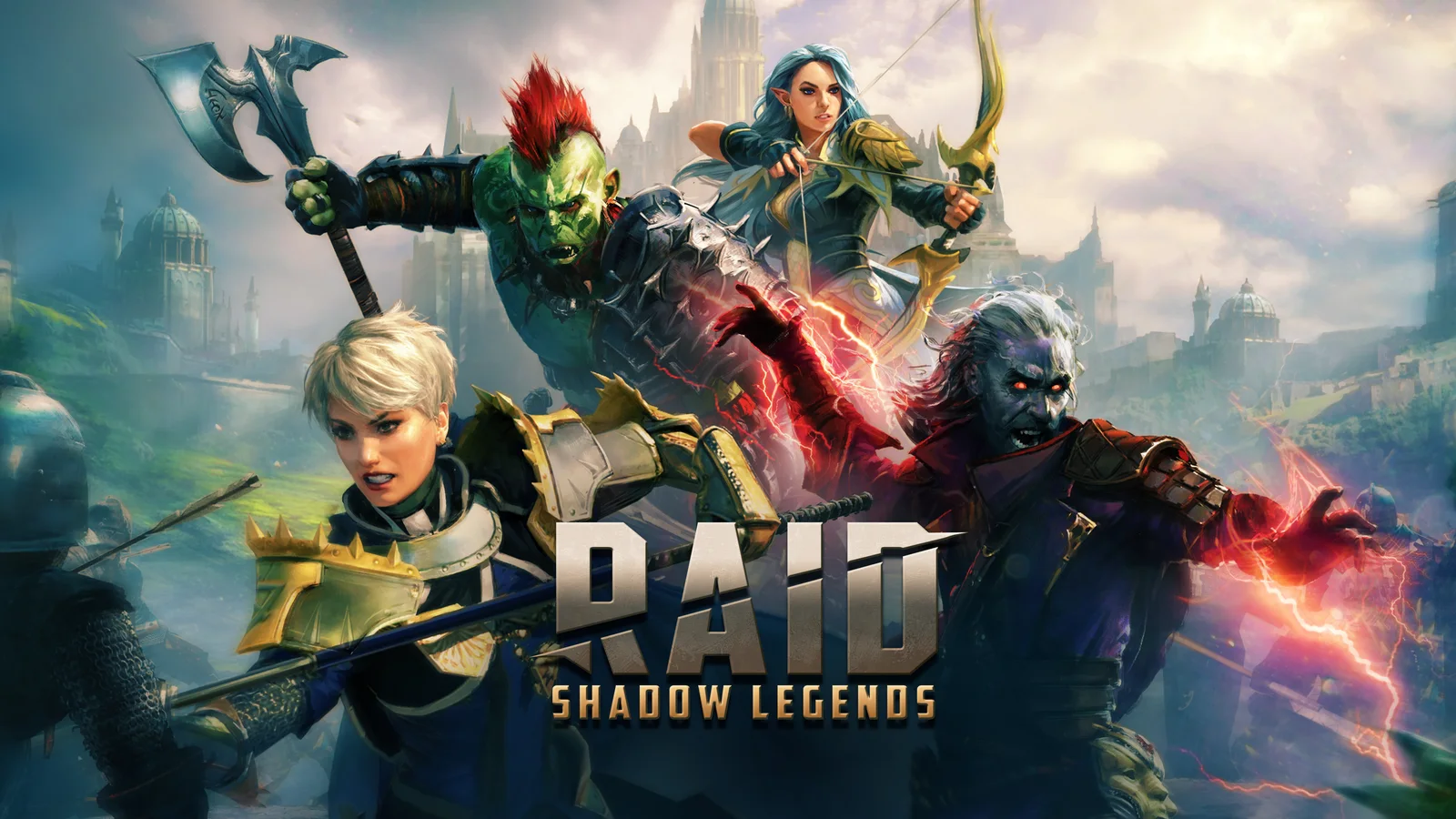
Worth It
RAID is at its best when each new Champion, gear upgrade or Speed tune makes a previously difficult team work exactly as planned.
Pros
- Deep Champion and team synergies
- Broad selection of PvE and PvP goals
- Excellent fantasy art and readable turn-based combat
Cons
- Many overlapping progression systems
- Resource mistakes can slow an account
- Frequent optional purchase prompts
The first victory happens before combat
RAID becomes compelling when rarity stops deciding every slot. A successful team needs a lead, a planned Speed order, the Accuracy to place essential debuffs and enough protection to reach its damage window. Decrease DEF should land before the main attacker; a Block Damage skill matters only when it covers the dangerous turn; a reviver needs the durability to remain standing.
Skills and Affinity are only the beginning. Artifacts set the statistical foundation, Masteries add role-specific bonuses, Blessings expand Awakened Champions and later systems such as Relics and Gemstones create further specialization. The result is a collection RPG in which two copies of the same Champion can perform very differently.
A large account has many useful destinations
Campaign establishes experience farming and early gear. Dungeons provide focused upgrade paths. The Demon Lord and Hydra turn Clan participation into recurring team-building objectives, while Chimera, Doom Tower, Cursed City and Proving Grounds ask for broader rosters and more specialized answers. Faction Wars makes every faction relevant and ultimately leads to Lydia the Deathsiren.
Competitive players can move through Classic Arena, Tag Team Arena and Live Arena, while Siege gives Clans another coordinated objective. This breadth is RAID's strongest long-term feature: a Champion who does not improve one mode can still unlock progress somewhere else.
Progress Missions provide the best opening route
The early interface presents many targets at once. Progress Missions give those targets an order and eventually award Arbiter, one of the game's defining Speed supports. A first account should raise one dependable Campaign farmer, preserve useful Rare and higher-rarity Champions, and build a compact team before spreading resources across the collection.
Kael is a strong starter because his area damage and Poisons connect Campaign, Dragon and Demon Lord progression. He is not the only viable choice, and a new-player promo Champion can change the opening plan, but his broad utility makes early decisions easier to understand.
The economy rewards restraint
RAID can be played for free, but it regularly presents optional purchases and randomized acquisition. The enjoyable route is to treat resources as part of the strategy: decide which account goal matters, spend only when an upgrade completes that goal and ignore events that do not fit the plan.
That discipline turns a crowded economy into a sequence of meaningful breakthroughs. RAID is worth starting for players who enjoy roster building, measurable account growth and the satisfaction of engineering a reliable team. Its best moments come when preparation transforms a difficult encounter into a repeatable clear.
Guide per questo gioco
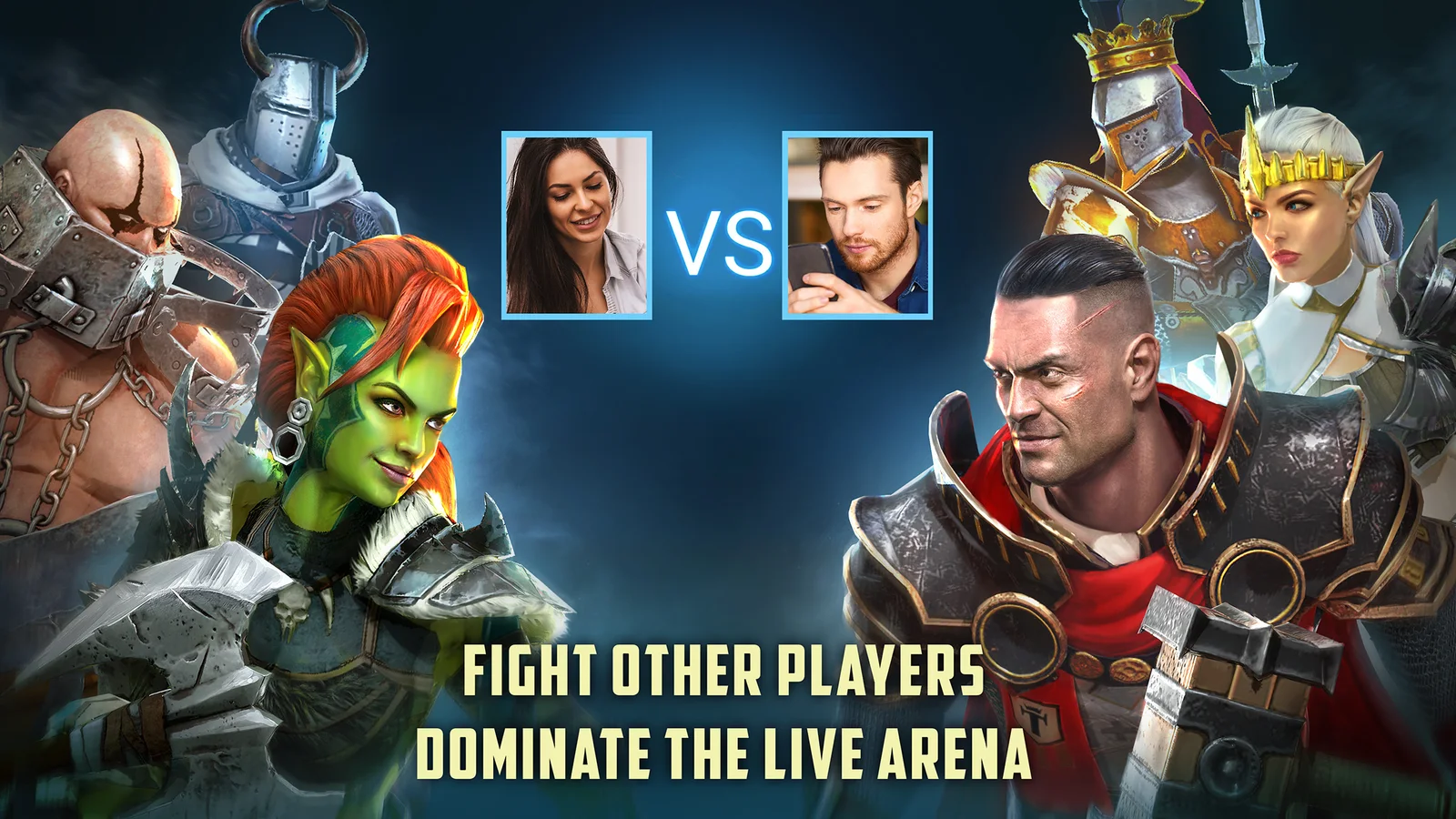
RAID Arena guide — build a clear win condition and correct turn order
Choose between a fast opening and a durable response, tune every action around that plan and select opponents your team is designed to beat.
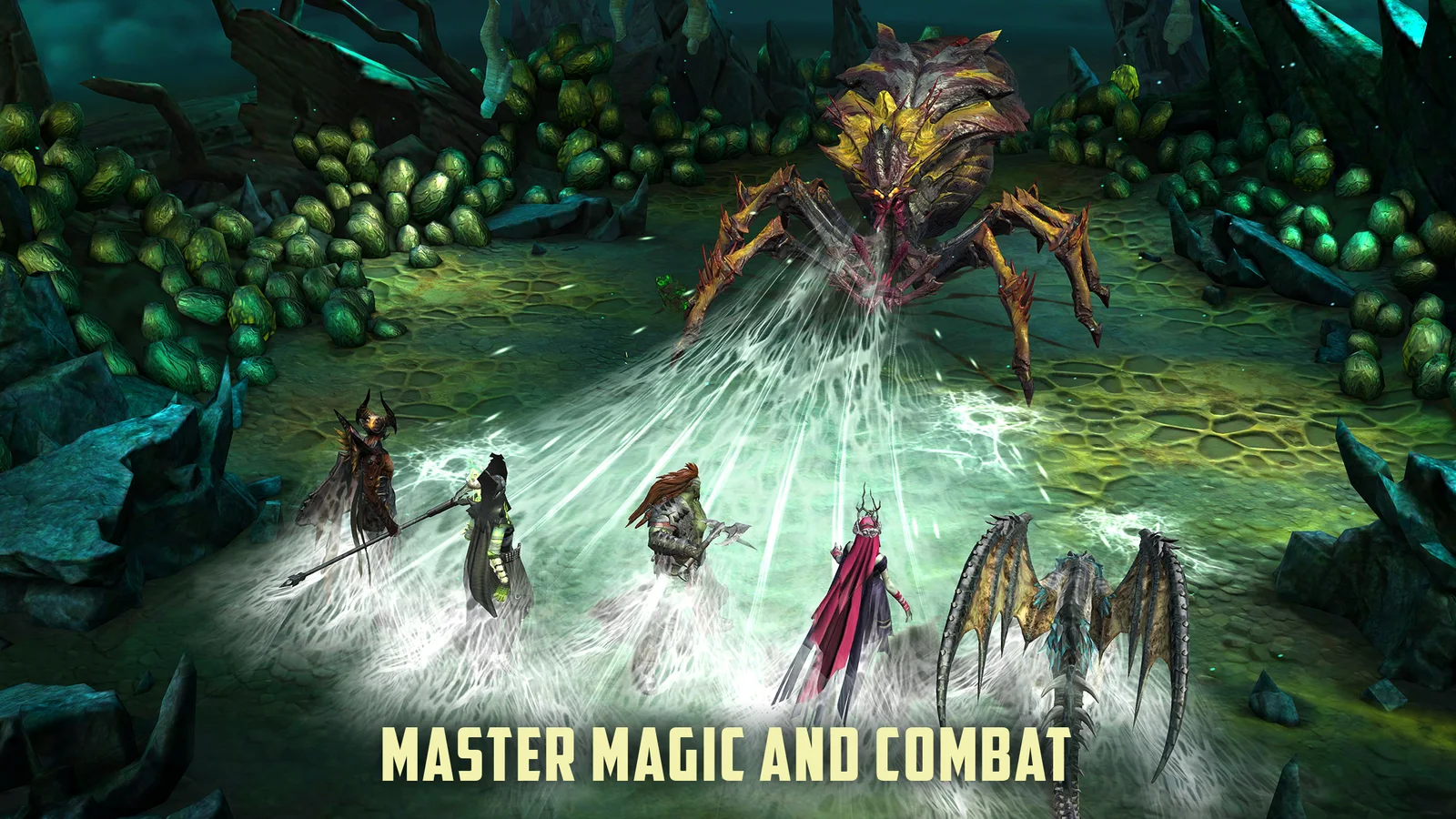
RAID Blessings and Awakening guide — match the bonus to the Champion's job
Understand Souls, Awakening levels and Blessing selection without treating a popular recommendation as universal across every mode.
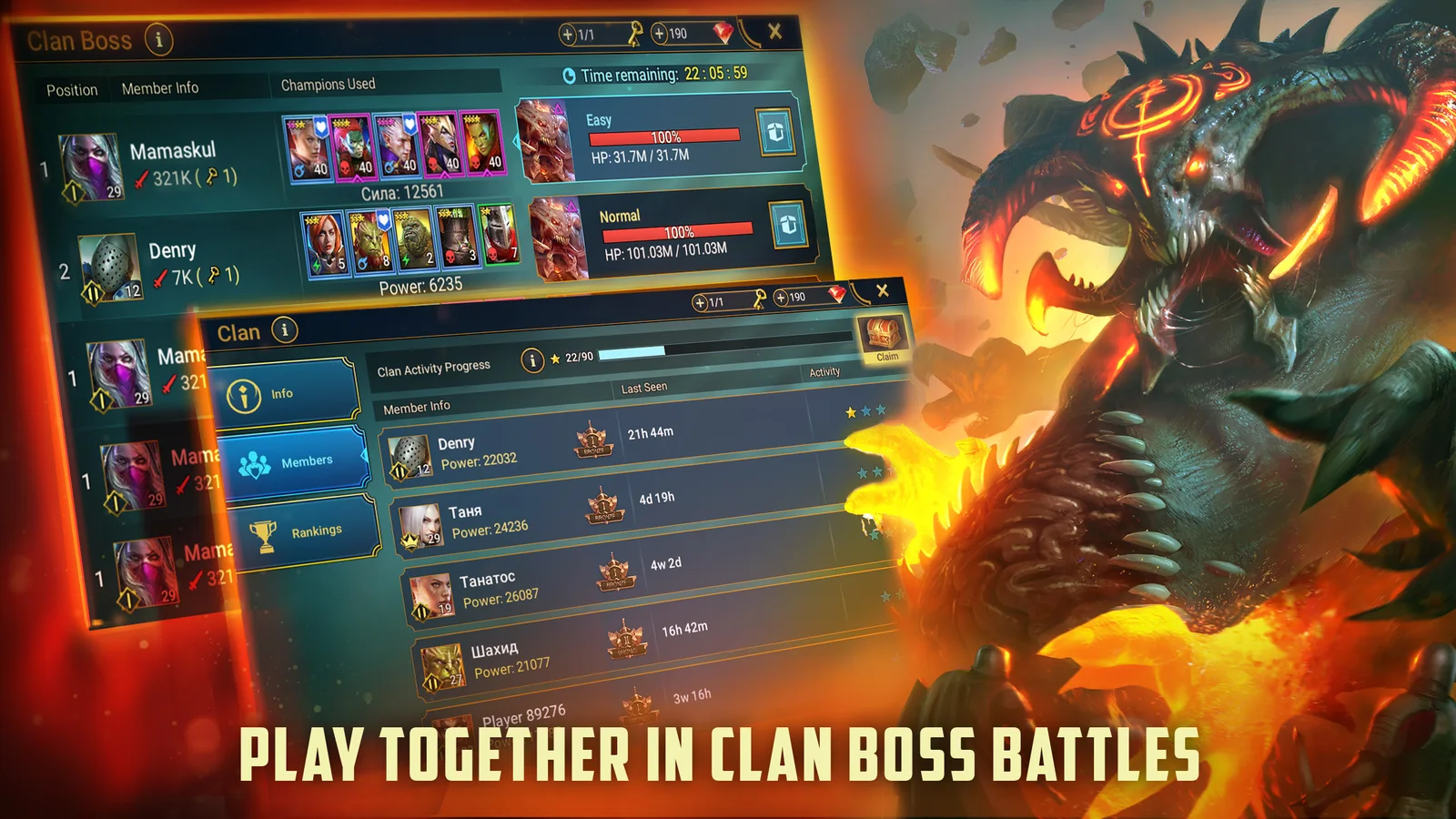
RAID Demon Lord guide — debuffs, survival and Speed-tuned teams
Build daily Clan Boss damage through Decrease ATK, Poisons, protection and a turn order that remains aligned across the full fight.