Where Winds Meet review — a wuxia world worth getting lost in
Everstone's free-to-play RPG turns martial-arts experimentation, expressive movement and a huge social world into an unusually inviting ongoing adventure.
Recommended
Recommended for players who want spectacular wuxia exploration, responsive martial combat and the freedom to enjoy a long solo journey or bring friends into the jianghu.
Pros
- Deflects, weapon switching and Mystic Skills make every successful exchange feel expressive
- Expansive regions reward curiosity with stories, techniques, traversal discoveries and memorable vistas
- Solo progression, four-player co-op, guild activities and PvP support different ways to inhabit one character
Cons
- The many progression menus take time to understand
- New Paths and balance updates can age detailed build advice
- A stable frame rate matters during timing-heavy defensive exchanges
The fantasy works before the systems need explaining
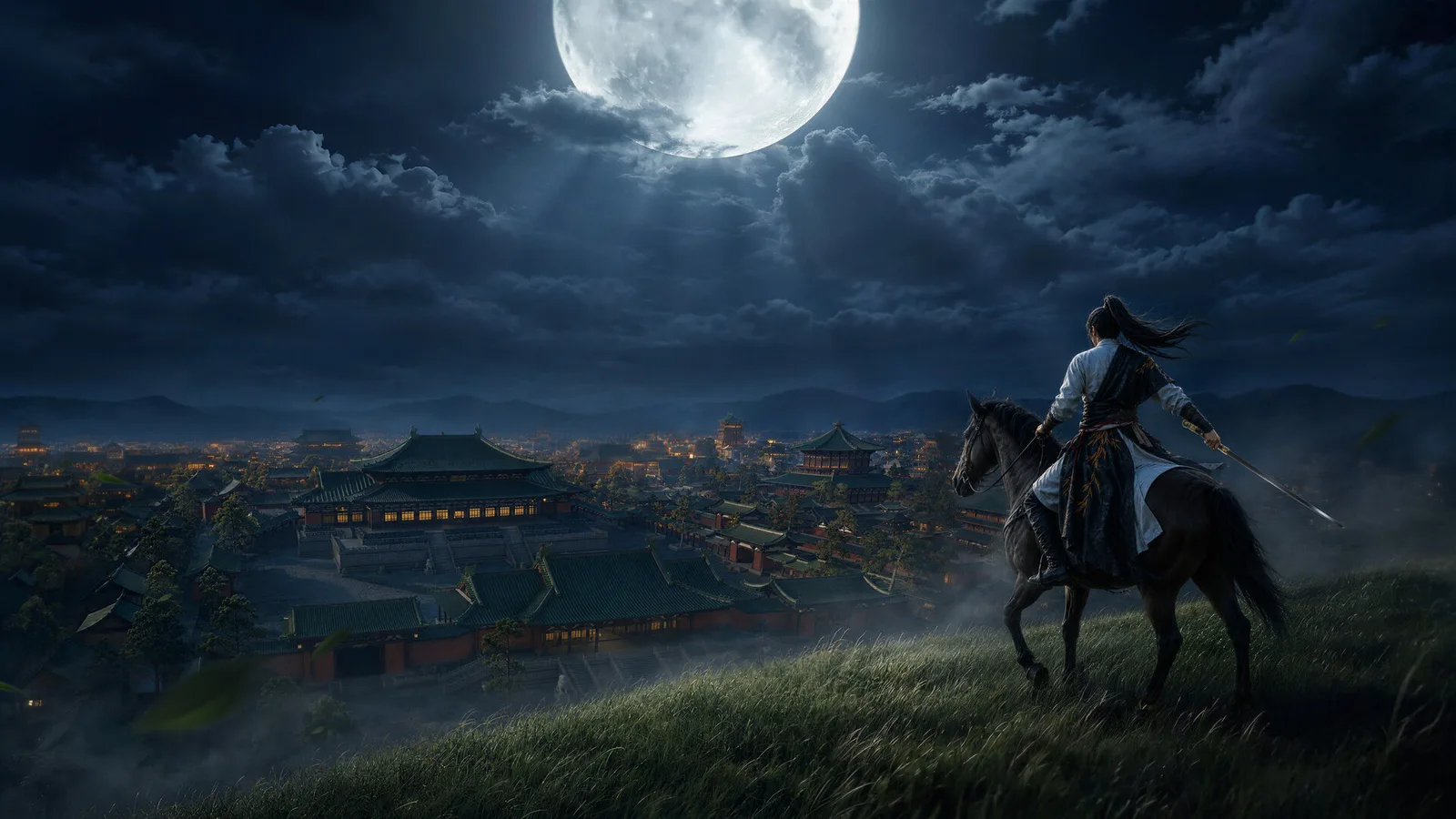
Where Winds Meet places a custom wanderer in the Five Dynasties and Ten Kingdoms period, then lets wuxia imagination reshape the history. Rooftops become routes, Mystic Skills turn legendary techniques into practical tools, and cities, villages and wilderness reward the impulse to look beyond the tracked objective. The result is a world that invites a player to perform the role of a martial hero instead of simply moving between combat arenas.
That sense of possibility is the strongest reason to play. A short ride can lead to a resident's story, an environmental puzzle, a technique, a duel or a view worth stopping for. Qinghe introduces the rhythm gently; Kaifeng expands the urban scale; later regions add their own traversal and progression ideas. Hidden Mountain then gives the game a mechanical, vertical identity through Mohist devices, water rails and the community-built Cloudstair.
Combat turns timing into style
Deflection, evasion and Qi pressure provide a readable defensive foundation. The excitement comes from what the game layers over it: two equipped Martial Arts, supporting Inner Ways, gear effects and Mystic Skills. A sword or spear can establish a clean martial exchange; fans and umbrellas can add ranged utility; Rope Dart changes spacing; Mo Blade favors committed heavy answers; Heng Blade rewards counters; and Gauntlets create rapid close-range pressure.
There are no permanent combat classes. A Path links two Martial Arts through a shared mechanic, so swapping is part of the rotation rather than a cosmetic change. Bamboocut–Draught is a vivid current example: Riven Twinblades and Skystrike Gauntlets build and spend Drunkenness through Binge and Inebriate states. Dual Blades close distance and build momentum, Gauntlets continue the close fight, and the loop returns to the blades for another fast sequence.
This structure gives a new player a useful goal: choose one Path whose rhythm feels good, align a small set of Inner Ways with actions already present in that loop, and improve it before spreading resources across the entire arsenal. The game offers enormous freedom, but it feels best when every equipped system contributes to one understandable plan.
A huge world can still be played at your pace
Where Winds Meet combines a narrative-led solo journey with optional online systems. Up to four players can join co-op activities, while guilds, multiplayer dungeons, raids, duels and PvP give a persistent character reasons to remain in the world. Players who prefer exploration can still spend long sessions following regional stories, finding Oddities, learning professions or experimenting with Homestead systems.
The volume can look intimidating when several menus open close together. The solution is pleasantly simple: keep one story objective and one development objective for each session. Activate Boundary Stones during ordinary travel, leave locked interactions until the relevant Mystic Skill appears, and treat side activities as invitations rather than chores. This preserves the discovery that makes the world special.
Version 2.1 is an exciting point to begin
Clouded Revelation continues the Hidden Mountain arc and develops its theme of connection. Water rails help restore the region, vertical exploration works with Celestial Seize and building mechanics, and the Cloudstair asks players across a server to contribute to one large structure. The September 7 Bamboocut–Draught release also gives combat-focused players a fresh Path with a clear, visually expressive resource loop.
Live updates mean exact balance recommendations can change. That is a reason to learn a Path's mechanics, not a reason to wait. The core skills—reading an animation, deciding between deflect and evade, creating a punish window, and knowing why the second weapon enters—remain valuable across tuning passes.
Free access makes the first step easy
The publisher says gameplay content is free and states that the game does not sell combat power. Its own launch material describes monetization through appearances, battle passes and monthly passes, while storefront disclosures also identify in-app and random-item purchases. These systems are easiest to assess after playing enough to understand which rewards are cosmetic, which support routine progression and which are simply optional presentation choices.
The more important preparation is account continuity. Cross-play and cross-progression span supported platforms inside the same server region, but an existing account must be linked before a new character is created on the second platform. Make that choice at the title screen first, then the same wanderer can travel with you.
Who should answer the call
Play Where Winds Meet if the idea of building your own wuxia legend is the attraction: learn a favorite pair of Martial Arts, chase secrets across a beautiful world, master a boss's timing, and decide when the journey should become social. It offers enough variety for a focused story player and enough interconnected systems for someone who wants a long-term home.
Players who enjoy expressive action RPGs will find the strongest invitation here. Start with one Path, let the opening regions teach the vocabulary, and resist the urge to solve the entire account on day one. The game becomes more rewarding as its many possibilities turn into choices you understand—and few free-to-play worlds offer this much room to make the adventure feel personal.
Guides for this game
Where Winds Meet beginner guide — the first ten hours made simple
Choose the right server, protect cross-progression, learn one Path and open Qinghe without wasting early resources.
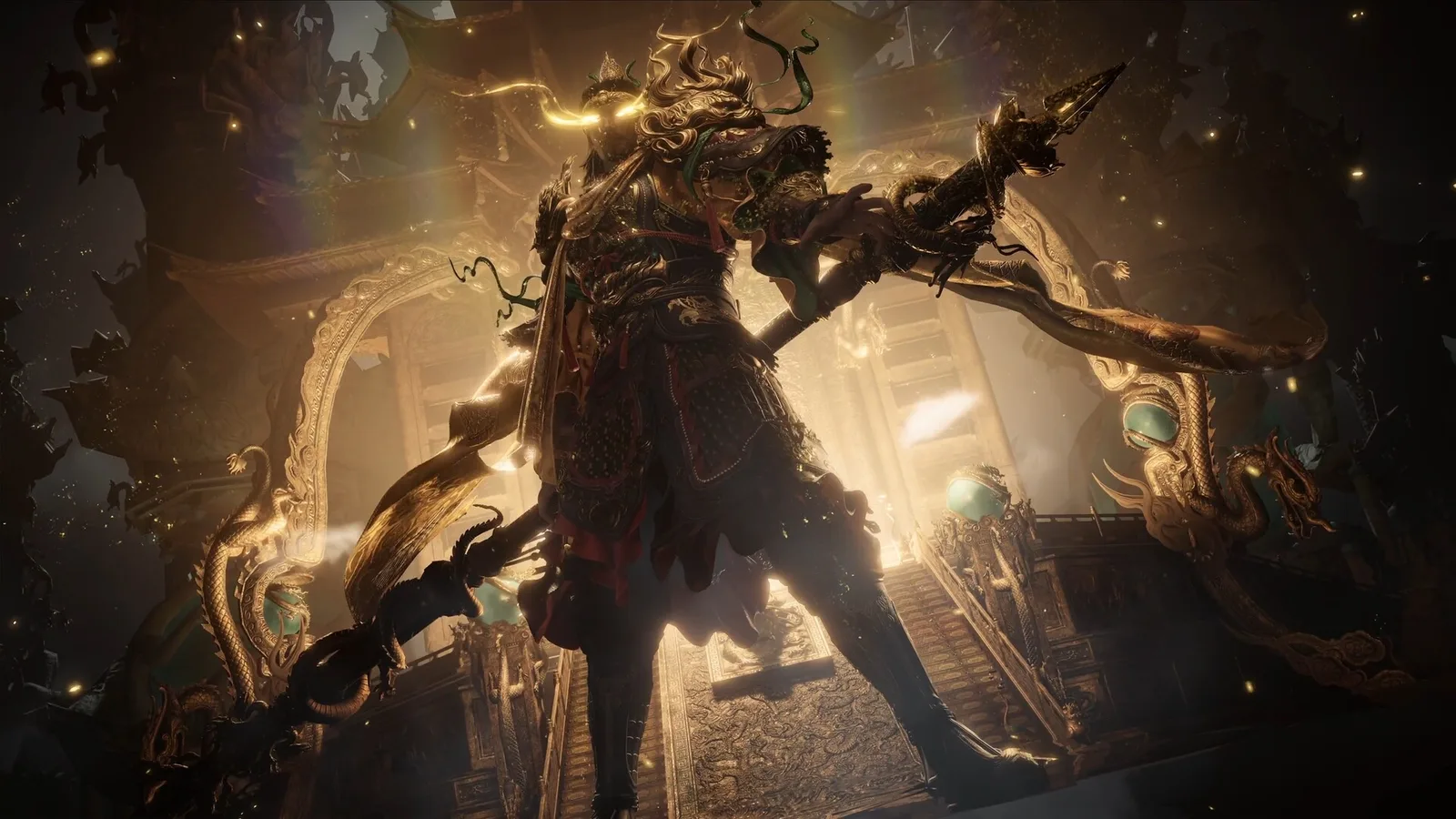
Where Winds Meet bosses guide — read mechanics before chasing damage
Prepare a reliable Path, identify defensive answers and approach Hidden Mountain's mechanical bosses with a useful learning plan.
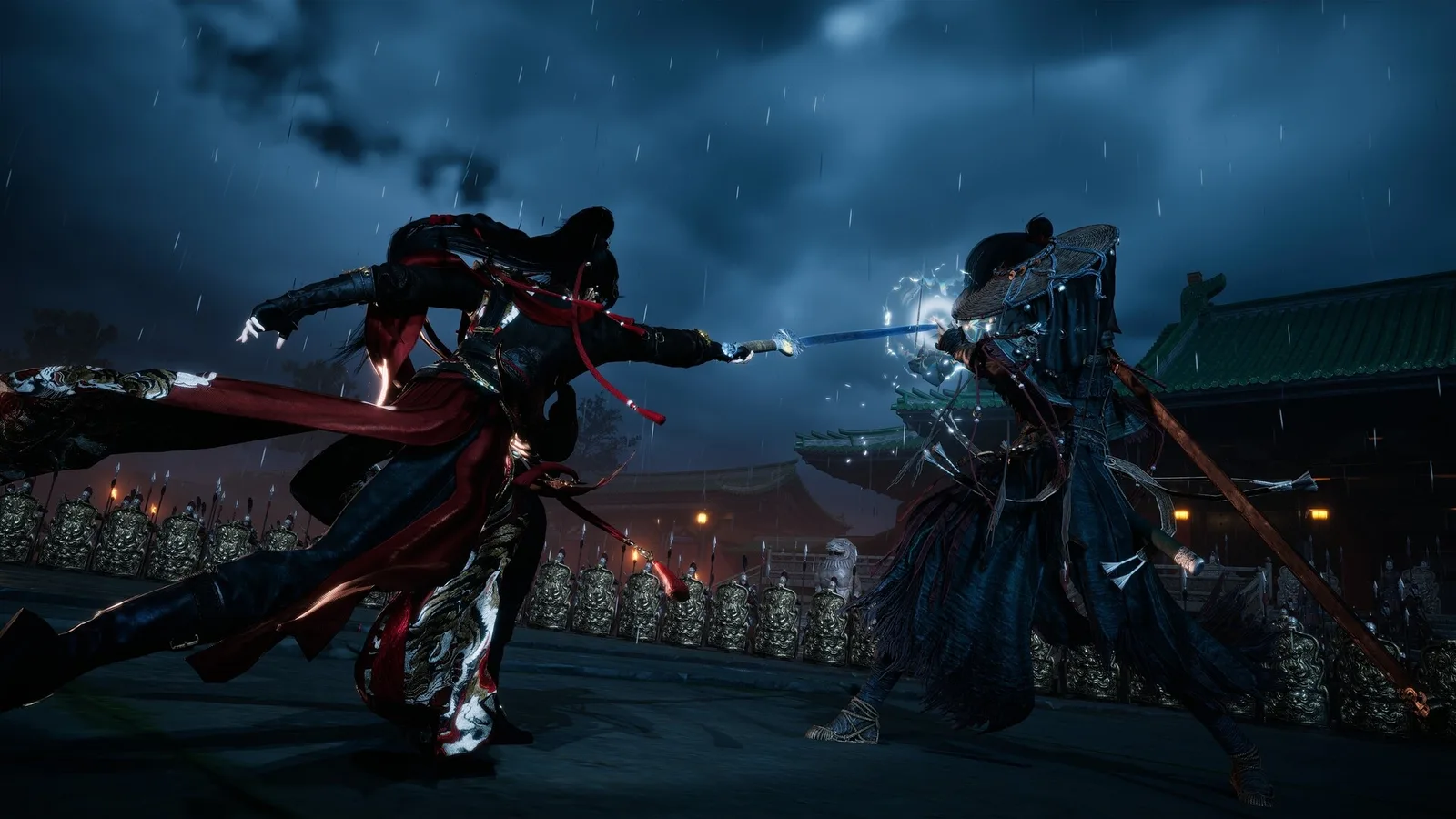
Where Winds Meet combat guide — build a Path, not a pile of weapons
Turn deflects, Martial Art swaps, Inner Ways and Path resources into a repeatable combat plan.