Progression guide
MU: Dark Epoch equipment guide — upgrades, drops, and auction decisions
Decide which gear deserves enhancement, judge combat-power prompts, and use the player auction without wasting scarce currency.
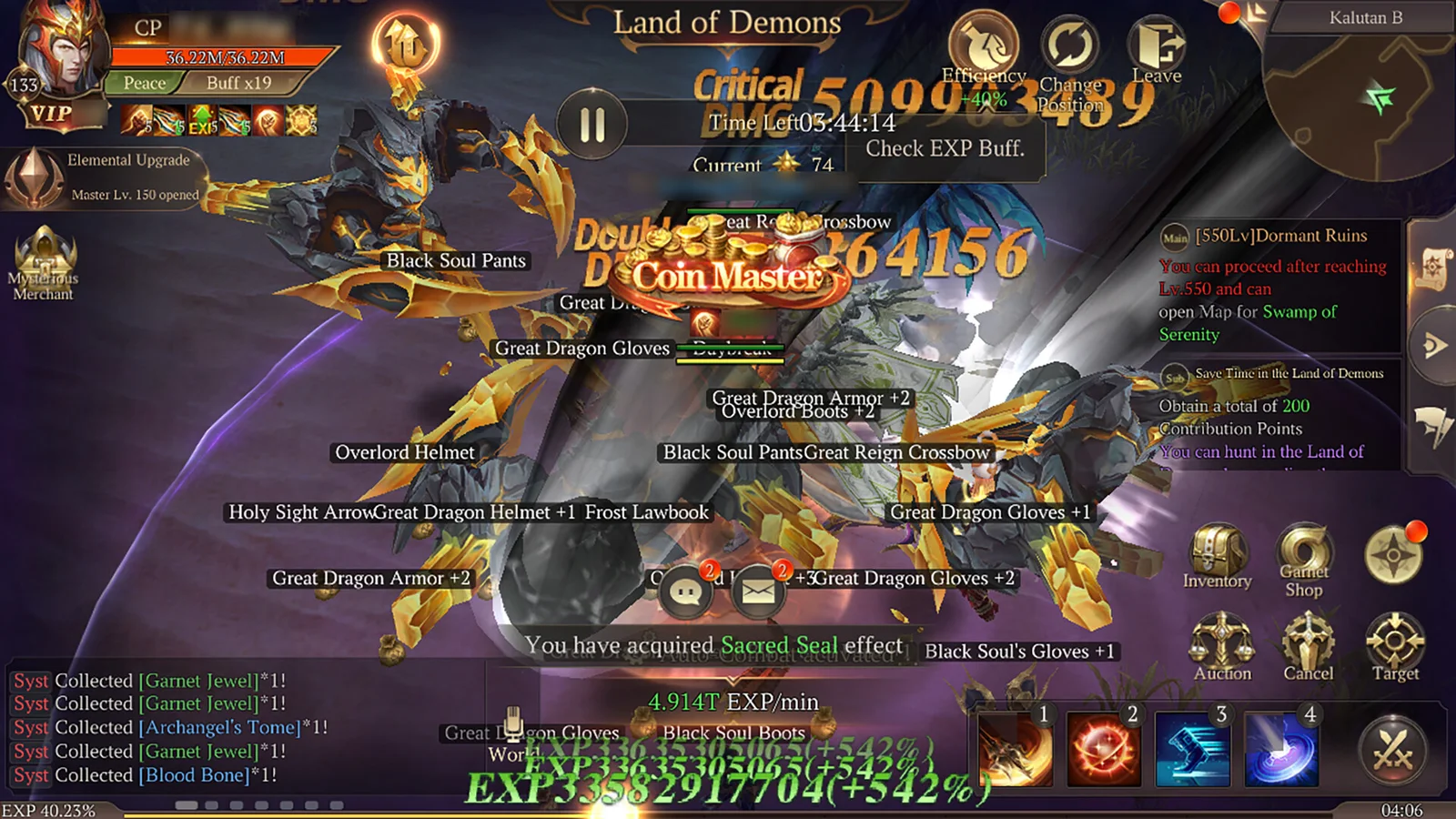
Equipment is the bridge between automated farming and active goals. Keep an item when its properties, set relationship, and upgrade runway serve the build—not simply because the interface displays a green power arrow.
Evaluate the base item first
Before enhancement, compare required attributes, class compatibility, useful properties, and likely replacement timing. A modest item with the right damage or survival property can outperform a larger headline number that contributes little to the active role.
Separate temporary and lasting gear
Temporary pieces only need enough investment to clear the next progression gate. Longer-lived set pieces can justify scarcer materials. This distinction prevents +13 from becoming an automatic goal for equipment that the next zone will replace.
Match farms to a missing slot
Open the reward preview for bosses and dungeons. Identify the activity capable of producing the missing slot or material, then use limited entries there. Randomly completing every red-dot activity consumes time without guaranteeing that the account's weakest point improves.
Read enhancement as a cost curve
Later enhancement steps usually demand more resources for each gain. Establish a stop condition before starting: enough defense for a boss, enough output for a timed floor, or the threshold required by the next feature. Once reached, reassess the entire set.
Price auction items from evidence
Compare multiple similar listings and watch whether stock disappears. Account for fees and guild profit-sharing rules. A rare-looking item can still have low demand when it serves an unpopular branch or arrives after most active players passed that tier.
Buy only to remove a bottleneck
An auction purchase should answer a concrete problem. Examples include completing a meaningful set, meeting a durable weapon requirement, or raising survival enough for a repeatable reward source. Avoid purchasing a marginal power increase when an earned replacement is close.
Protect account liquidity
Keep a reserve for progression gates that cannot be predicted from the current screen. Spending every currency on one exciting listing can block several smaller upgrades. This matters most early, when levels and item tiers move quickly.
A practical gear loop
- Identify the activity currently blocked.
- Find the property or slot responsible.
- Check earned sources before the auction.
- Compare several listings if buying.
- Enhance only to the planned threshold.
- Test the activity again.
This loop makes equipment decisions measurable and keeps automation, boss attempts, and trading aligned around the same objective.
İlgili rehberler
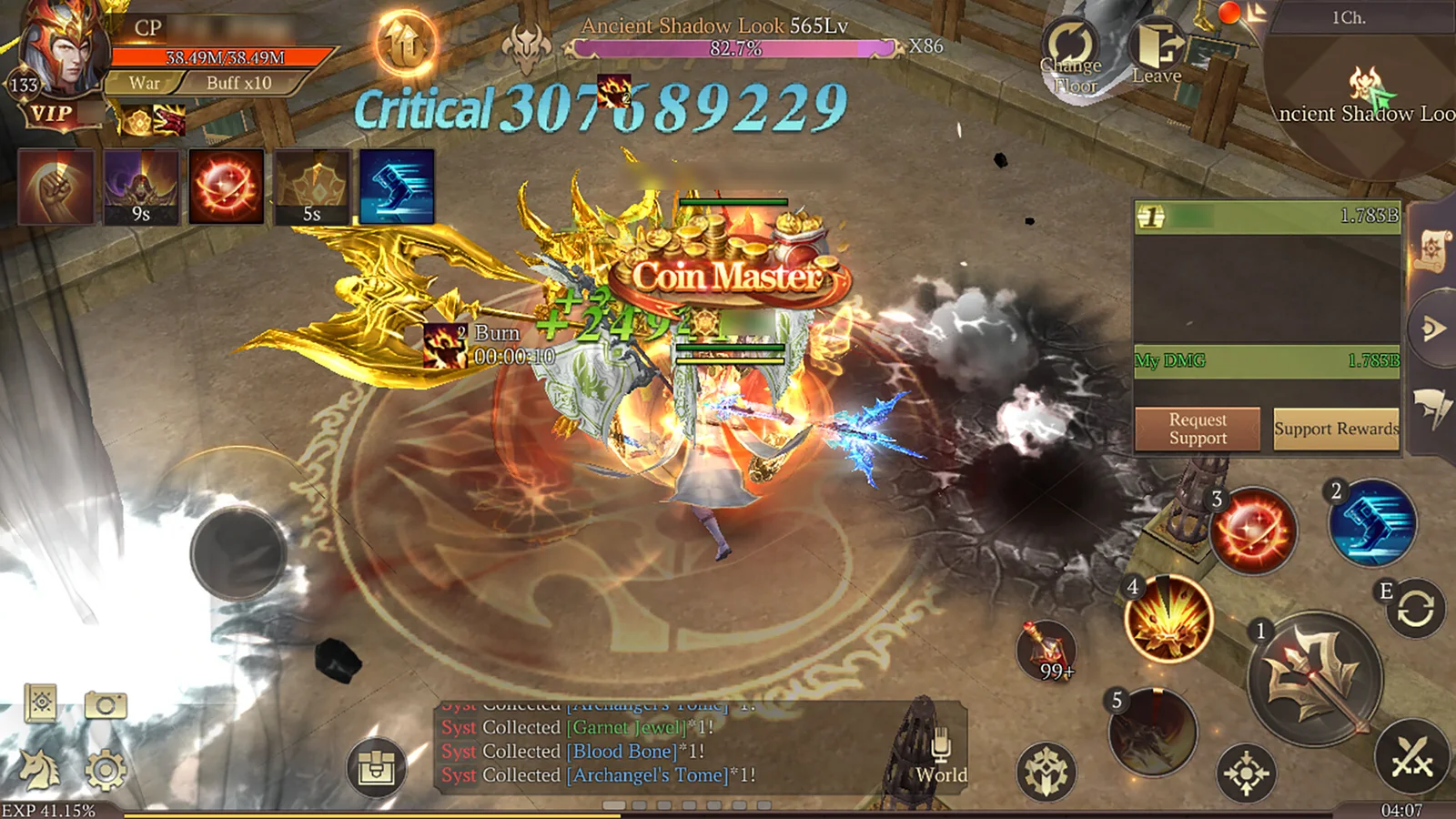
Multiplayer guide
MU: Dark Epoch bosses, guilds, and PvP — preparing for group content
Turn solo power growth into useful group preparation for dungeons, bosses, guild activity, auctions, and Roland City PvP.
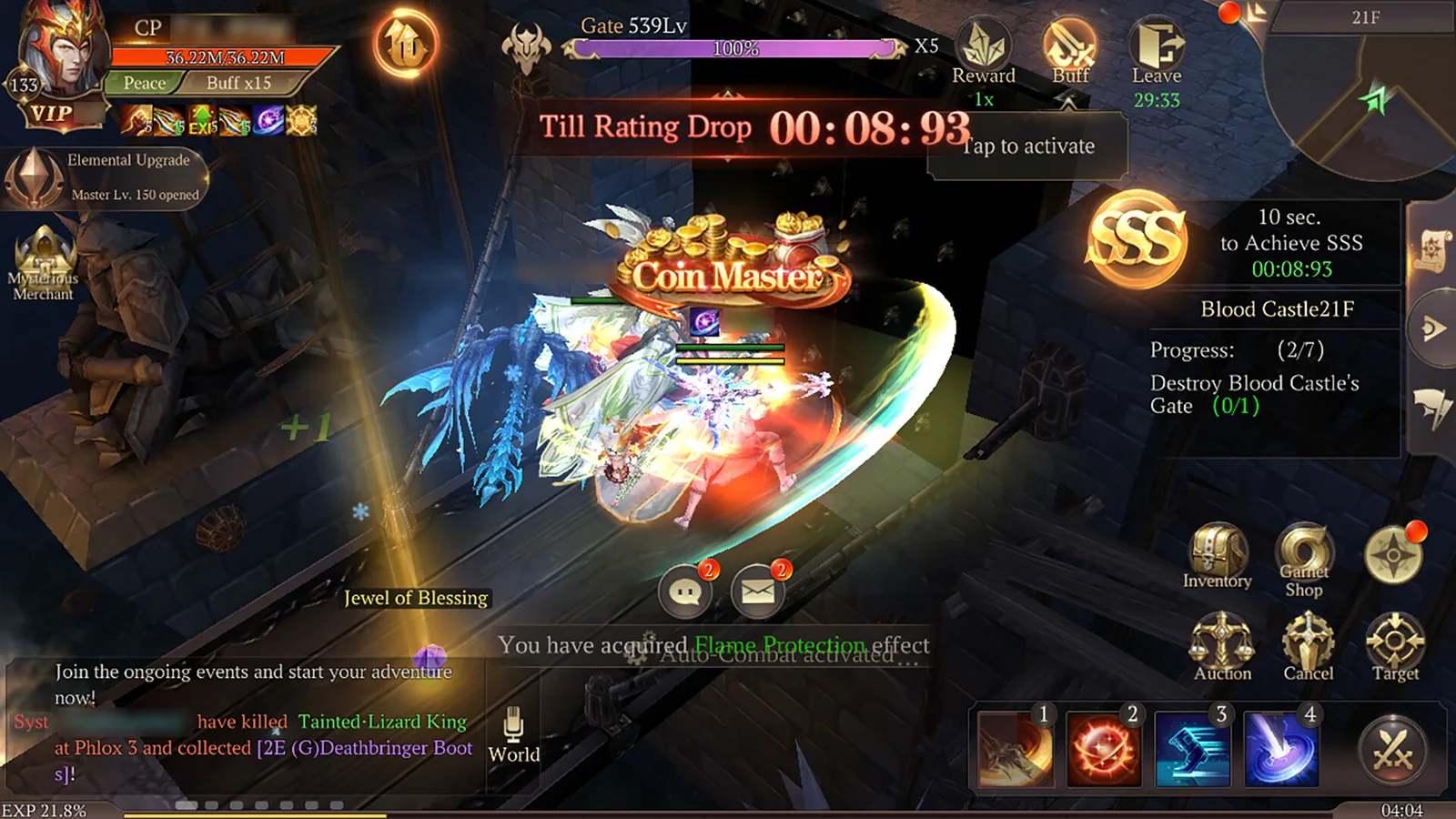
Class guide
MU: Dark Epoch classes — choosing a role and planning class changes
Compare Dark Knight, Dark Wizard, Elf, and Dark Lord without pretending one class is universally best.

Beginner guide
MU: Dark Epoch beginner guide — build one efficient account
Choose a class by role, use automation with a purpose, protect scarce materials, and connect gear, guild, auction, and boss progress.