Beginner guide
MU: Dark Epoch beginner guide — build one efficient account
Choose a class by role, use automation with a purpose, protect scarce materials, and connect gear, guild, auction, and boss progress.
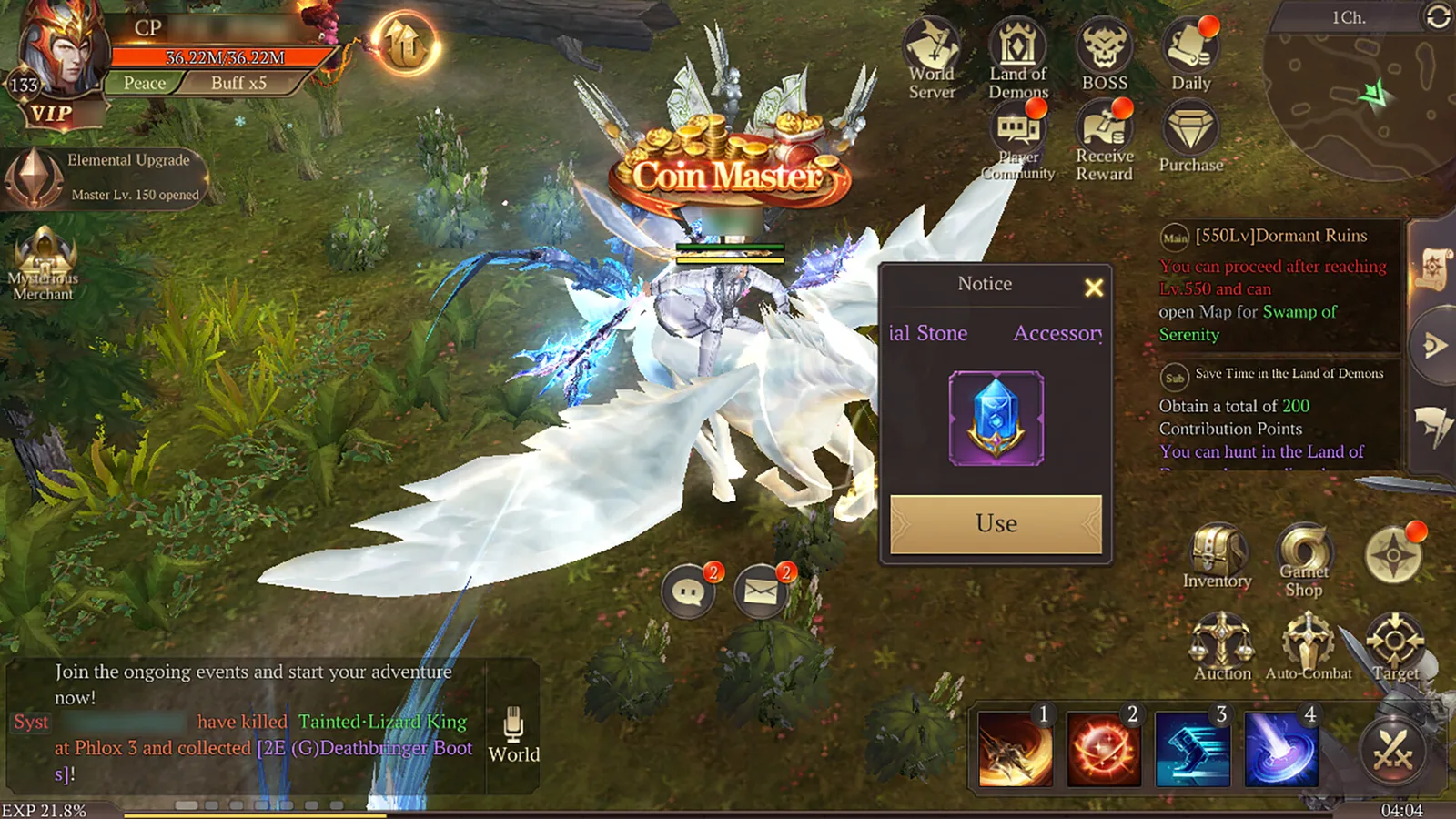
Start with one class, one coherent equipment plan, and one active guild. Let the main quest expose systems, but pause before spending a rare material merely because a red notification appears. Dark Epoch advances quickly enough that an item can be replaced before an expensive enhancement pays back its cost.
Choose by combat rhythm
Dark Knight is durable melee, Dark Wizard favors ranged area magic, Elf supports ranged damage or party utility, and Dark Lord has a hybrid command identity. Choose the way you want routine fights and group activities to feel. Early tier-list labels are less useful than knowing whether you prefer close contact, range, support, or a hybrid build.
Fund one path first
Class changes extend progression, but equipment and attributes still need a purpose. Before assigning stats, inspect the next weapon, armor, and skill requirement. Meet those requirements, then invest in the attribute that strengthens the active role. Spreading materials across several incomplete setups slows every activity.
Make automation answer a question
Auto-combat and AFK growth are core systems. Assign them to a named objective: experience for the next class change, a material shortage, or equipment from an appropriate farming area. Review the result when returning. If it did not advance the objective, change the location or target rather than repeating the same idle session.
Upgrade items with a stop condition
The publisher advertises enhancement up to +13, but a maximum is not a beginner target. Improve equipment that will remain useful through the next milestone. Stop once the current activity becomes reliable, then preserve materials for a longer-lived item. Compare properties and set effects instead of selecting only the largest combat-power arrow.
Use bosses and dungeons deliberately
Check entry limits, reward previews, and reset times before joining. Use scarce attempts on the activity that can provide the missing upgrade. If support or guild participation improves the reward, arrange the group first instead of entering with an incomplete party.
Join a guild that matches your schedule
Guild activities, auction profit sharing, and PvP matter only when members are active at compatible times. A smaller coordinated guild can be more useful than a large silent one. Confirm event times, contribution rules, and how valuable auction items are handled.
Treat the auction as a market
An asking price is not a sale. Compare several similar listings, identify whether an item serves a popular class or current progression gate, and account for any fee before listing. Buy only when the item solves a named bottleneck and is unlikely to be replaced immediately.
Set spending rules before opening the shop
The storefronts disclose optional and randomized purchases. Decide a fixed budget outside the client, inspect probability disclosures, and value a purchase by the guaranteed result. A timed offer should not override the same equipment and progression plan used for earned resources.
First-week checklist
- One class and role chosen.
- Equipment requirements checked before assigning stats.
- Automation assigned to a specific target.
- Rare materials reserved for lasting upgrades.
- Guild schedule confirmed.
- Boss attempts matched to needed rewards.
- Auction prices compared before buying or listing.
- Shop probabilities reviewed before spending.
Gerelateerde gidsen
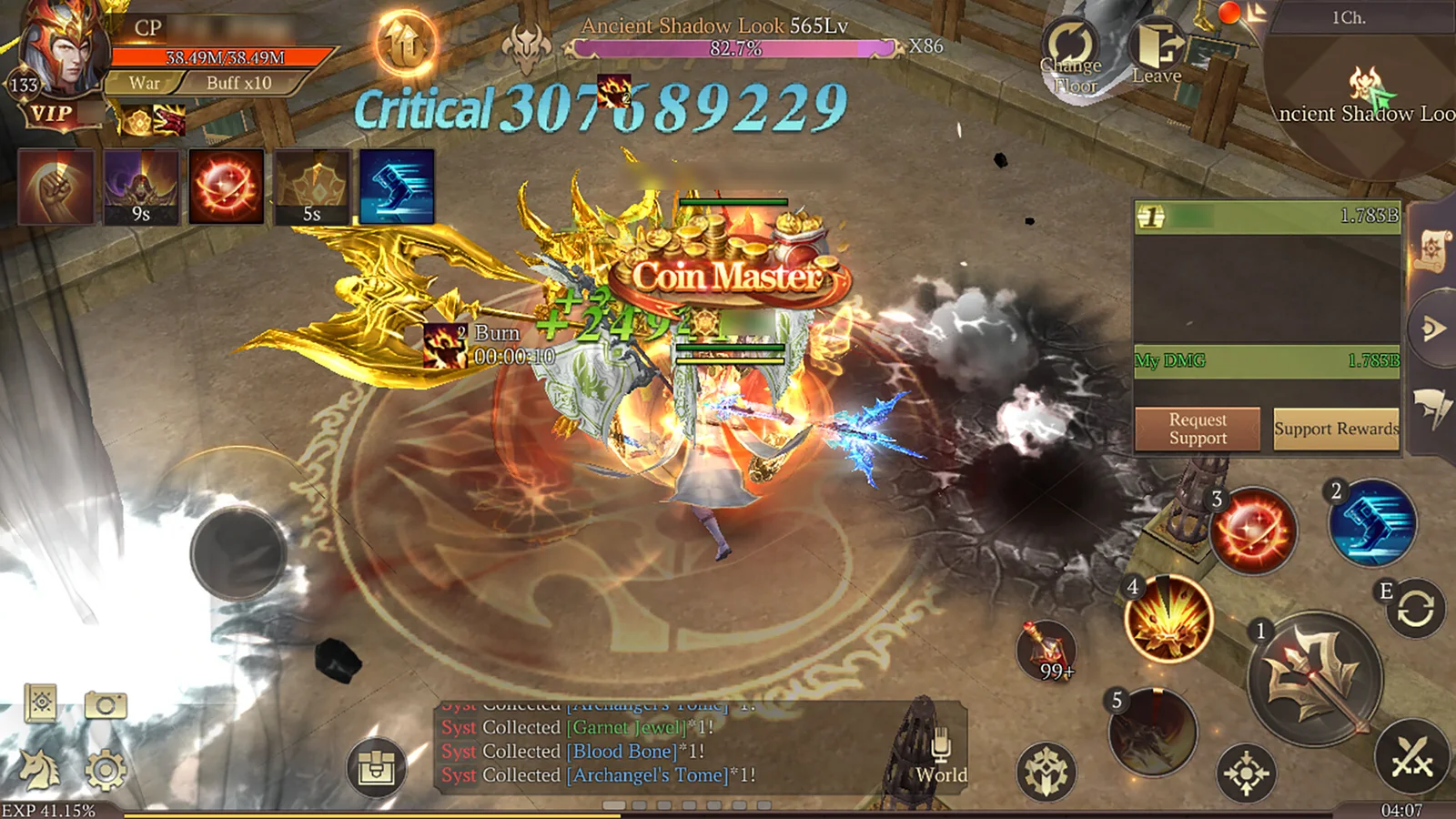
Multiplayer guide
MU: Dark Epoch bosses, guilds, and PvP — preparing for group content
Turn solo power growth into useful group preparation for dungeons, bosses, guild activity, auctions, and Roland City PvP.
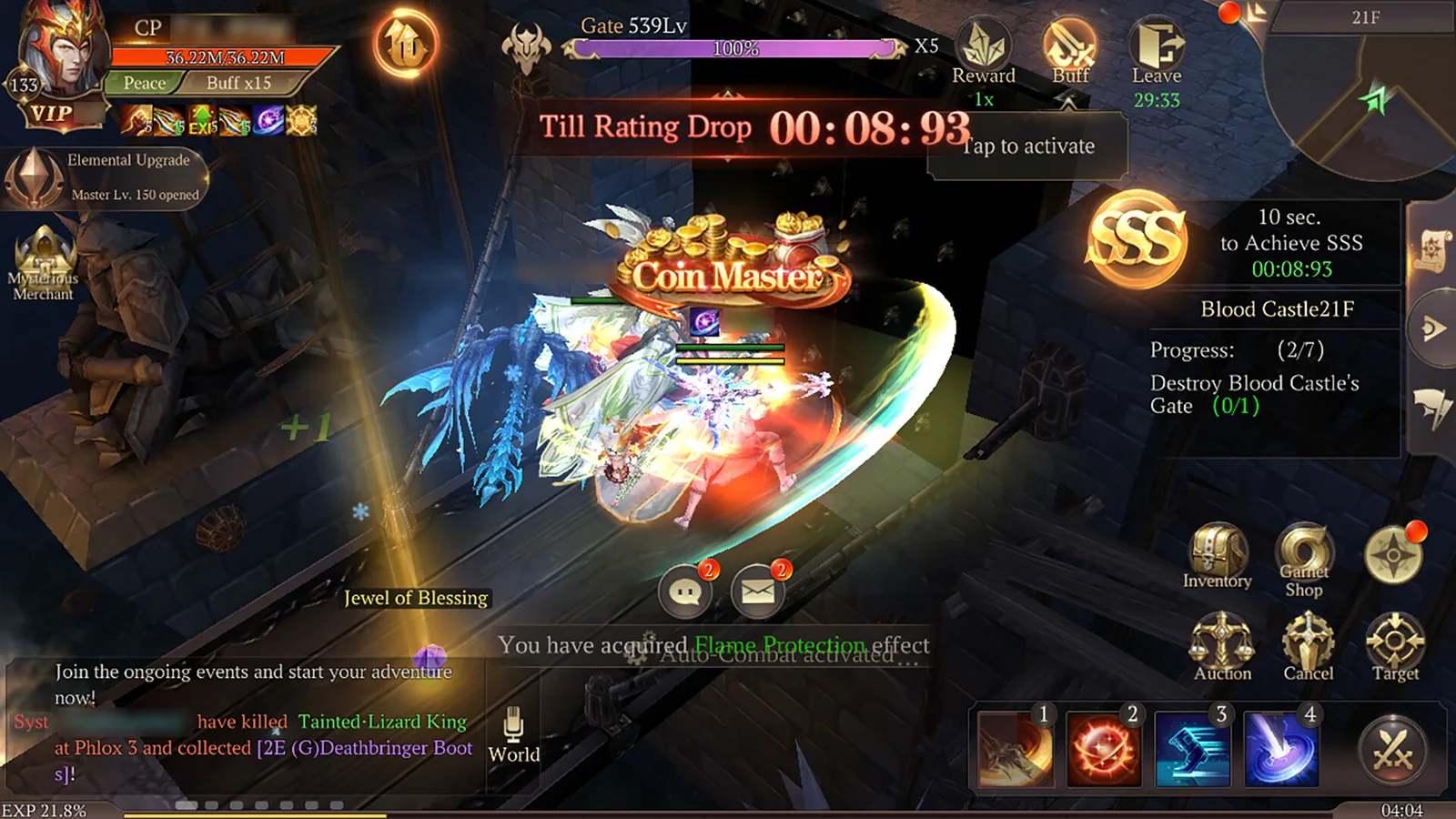
Class guide
MU: Dark Epoch classes — choosing a role and planning class changes
Compare Dark Knight, Dark Wizard, Elf, and Dark Lord without pretending one class is universally best.
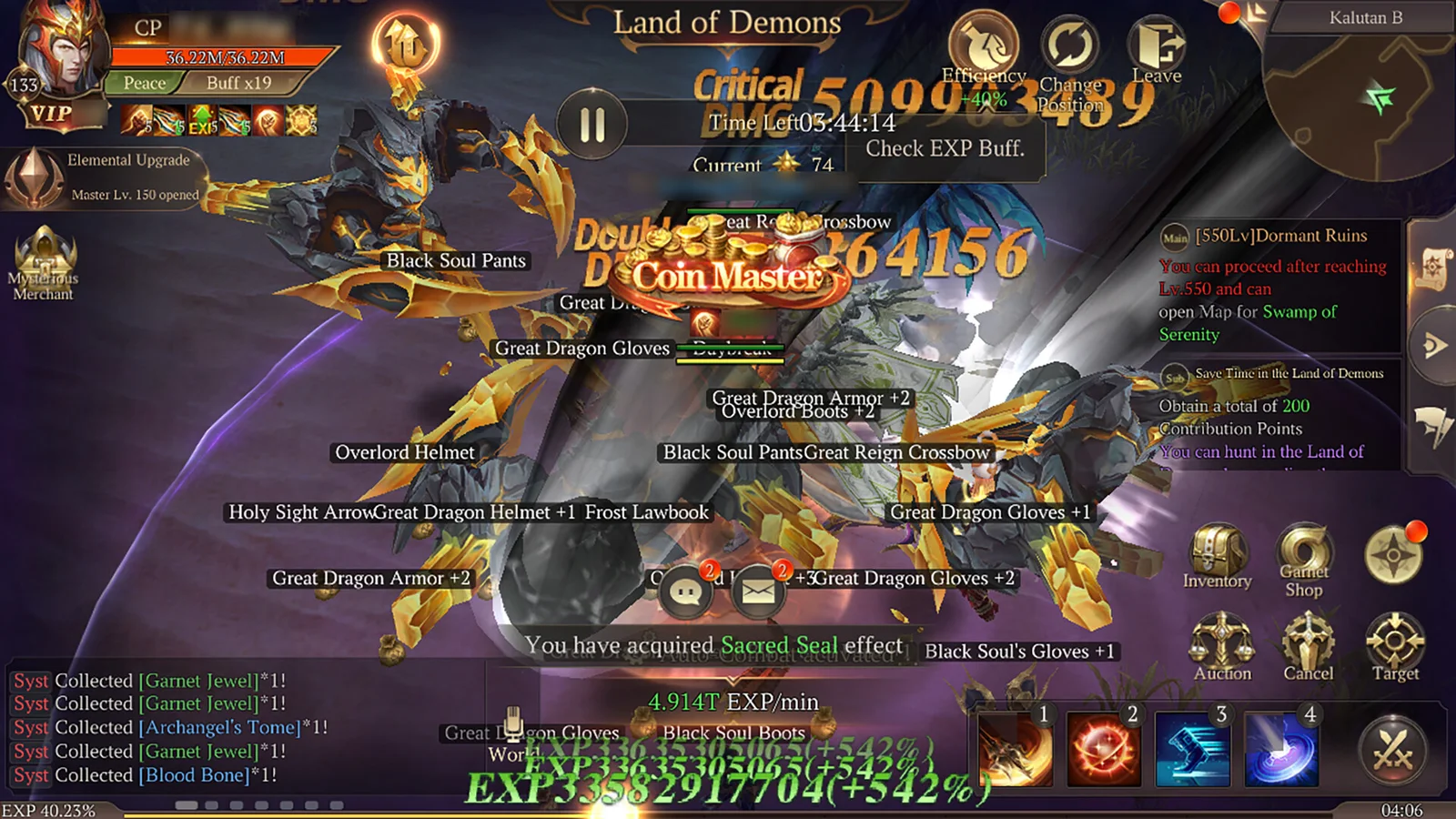
Progression guide
MU: Dark Epoch equipment guide — upgrades, drops, and auction decisions
Decide which gear deserves enhancement, judge combat-power prompts, and use the player auction without wasting scarce currency.